
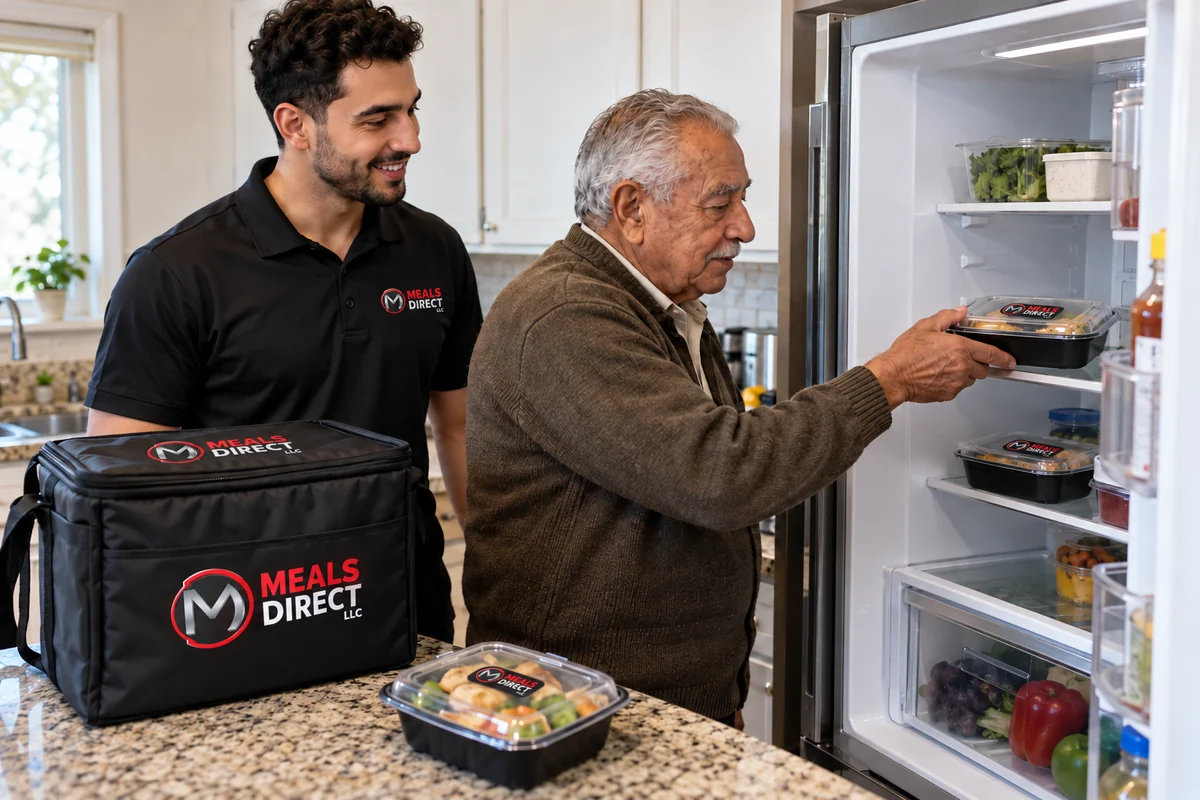
If you are learning how to store and reheat delivered meals, start with three USDA basics: refrigerate perishable food within 2 hours, use refrigerated leftovers within 3 to 4 days, and reheat leftovers to 165°F. Read the label too, and ask the team if directions are unclear.
This guide is for members and the family caregivers who help them. Every number comes from the USDA Food Safety and Inspection Service or FoodSafety.gov and links to its source. It is general information, not medical advice.
How to store and reheat delivered meals: three USDA basics
Food safety can feel like a long list of rules. For a delivered meal, three habits cover a lot of it.
1. Refrigerate within 2 hours
USDA's guide to take-out and delivered foods says to refrigerate perishable food as soon as possible, and always within 2 hours after purchase or delivery. If the air is above 90°F, refrigerate within 1 hour.
Why the rush? The same page explains that bacteria grow rapidly between 40°F and 140°F. Food that is only "warm" sits right in that range.
2. Use refrigerated leftovers within 3 to 4 days
According to USDA's leftovers guide, leftovers can be kept in the refrigerator for 3 to 4 days or frozen for 3 to 4 months. Frozen leftovers stay safe longer than that, but they can lose moisture and flavor over time.
3. Reheat to 165°F
When you reheat leftovers, USDA says they should reach 165°F as measured with a food thermometer. FoodSafety.gov's safe minimum internal temperature chart lists the same 165°F for leftovers of any type.
Fridge and freezer tips
Keep the fridge at 40°F or below
USDA's refrigeration guide says refrigerators should be set to stay at 40°F or below. Some refrigerators have a built-in thermometer. If yours does not, USDA suggests keeping an appliance thermometer inside so you can check.
Keep the freezer at 0°F or below
USDA's freezing guide says food kept constantly at 0°F stays safe, and long storage affects only quality. Its freezer chart lists frozen dinners and entrees at 3 to 4 months for quality. An appliance thermometer in the freezer helps here too.
Wrap leftovers and cool them quickly
USDA's leftovers guide offers a few easy habits:
- Cover leftovers, wrap them in airtight packaging, or seal them in storage containers. This helps keep bacteria out and moisture in.
- Divide large amounts of food into shallow containers so they cool faster.
- Hot food can go straight into the refrigerator.
Thaw in the fridge, not on the counter
USDA lists three safe ways to thaw food: in the refrigerator, in cold water, or in the microwave. It warns against thawing food on the kitchen counter.
The leftovers guide adds that fridge thawing takes the longest, but food stays safe the whole time. Use it within 3 to 4 days after it thaws. If you thaw leftovers in the microwave, keep heating them until they reach 165°F.
Reheating safely
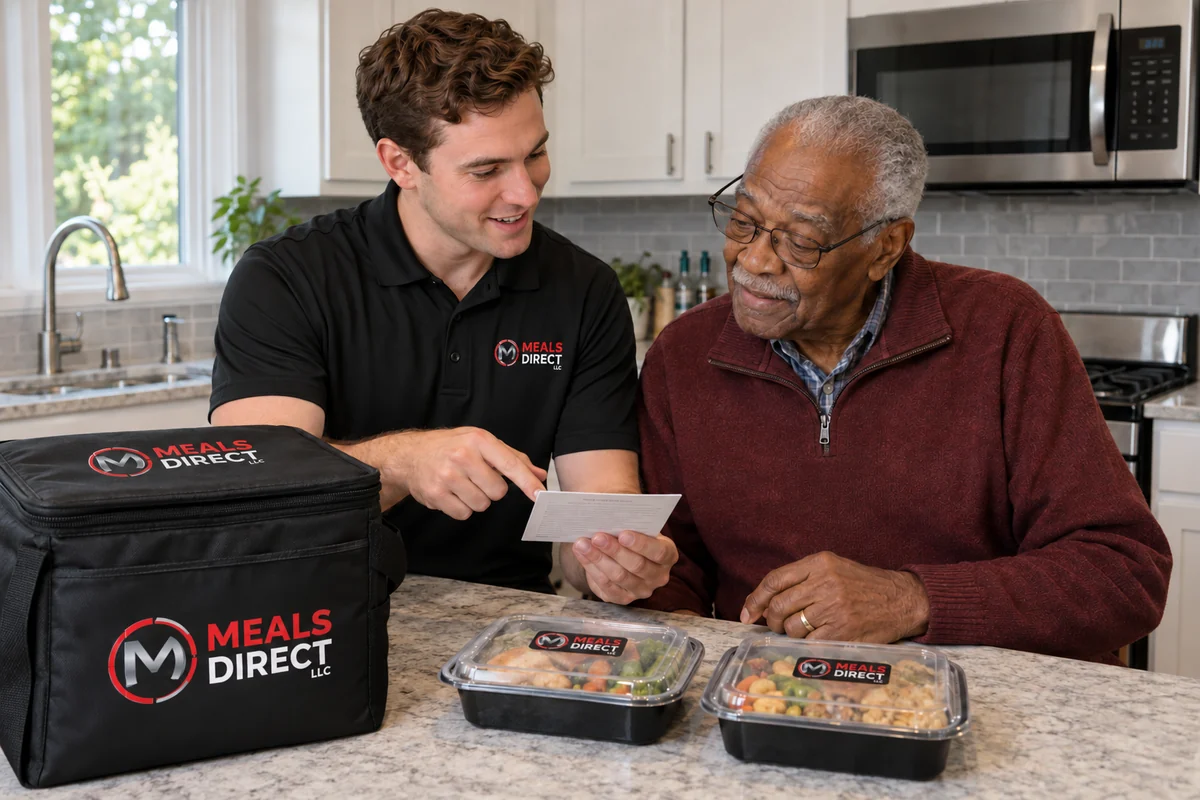
Reheating is where a food thermometer earns its place. USDA's leftovers guide says:
- Reheat leftovers until they reach 165°F, checked with a food thermometer.
- Bring sauces, soups and gravies to a rolling boil.
- Cover food while it reheats. This keeps moisture in and helps it heat all the way through.
In the microwave
The same USDA page gives these microwave tips:
- Cover the food and rotate it for even heating.
- Arrange food evenly in a covered, microwave-safe glass or ceramic dish, and add some liquid if needed.
- Make sure the cover is microwave safe, and vent the lid or wrap so steam can escape.
- Microwaves have cold spots, so check the temperature in several places with a food thermometer.
- Let the food rest before you check its internal temperature.
USDA's take-out and delivered foods guide also suggests checking your microwave owner's manual for recommended times and power levels.
In the oven or on the stove
For oven reheating, the take-out and delivered foods guide says to set the oven no lower than 325°F. It does not recommend reheating in slow cookers or chafing dishes, because food may stay between 40°F and 140°F too long.
You do not always have to thaw first. The leftovers guide says it is safe to reheat frozen leftovers without thawing, in a saucepan, oven or microwave. It just takes longer.
Use the meal instructions with food-safety guidance
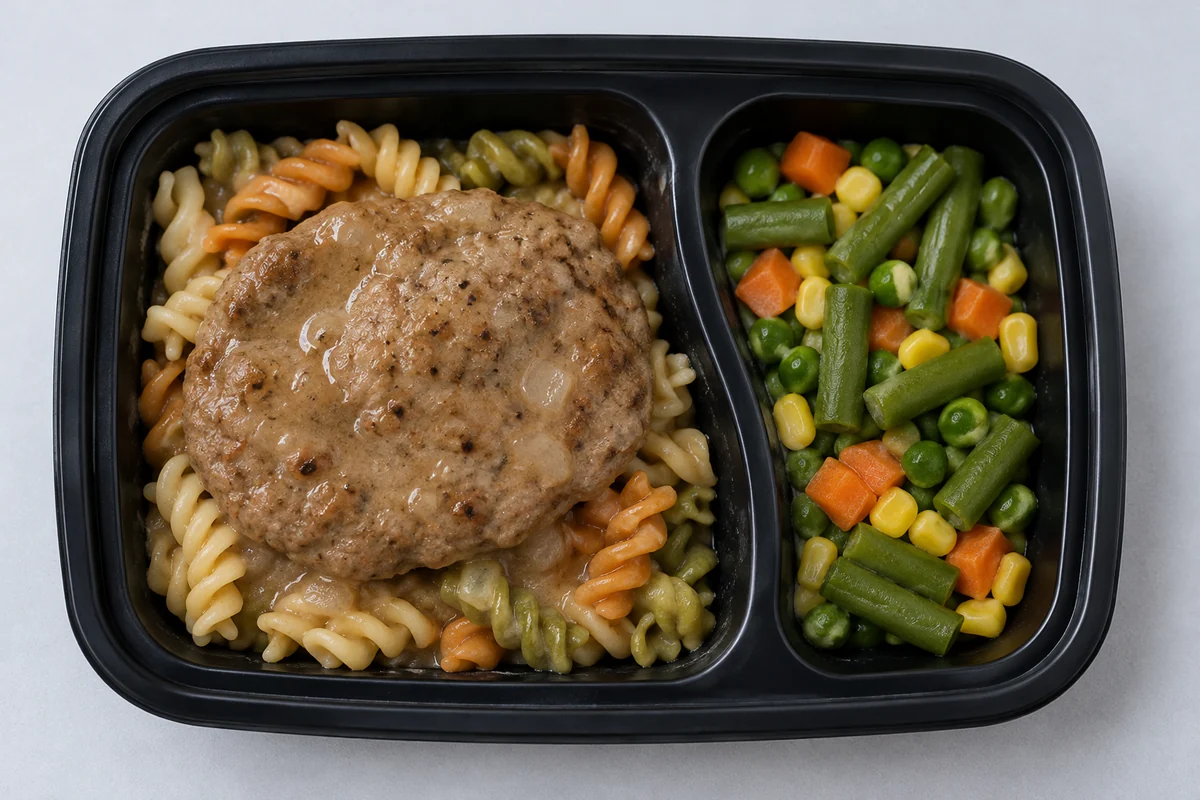
Directions that come with a meal address its preparation and packaging. USDA's freezing guide explains the importance of package directions for thawing, reheating and storing.
A package can tell you things a general chart cannot, such as which heating method suits its container. So use this order:
- Read the label for the meal and container.
- Use USDA guidance for safe storage and reheating temperatures.
- If instructions appear to conflict, ask the team before eating. A label cannot make food safe after unsafe storage.
Meals Direct offers hot, frozen and specialty fresh meal formats. Options vary by area and program. The way you store and heat a meal can depend on the format you receive. To browse the Pennsylvania meal catalog, visit our Meals page. For New Jersey or New York menus, ask the state team.
General information, not medical advice
These tips are general food safety information. They are not medical advice. FoodSafety.gov notes that adults aged 65 and older have a higher risk of getting very sick from foodborne germs. If you care for someone with a special diet or a health condition, ask their doctor or care team how these tips apply to them.
