
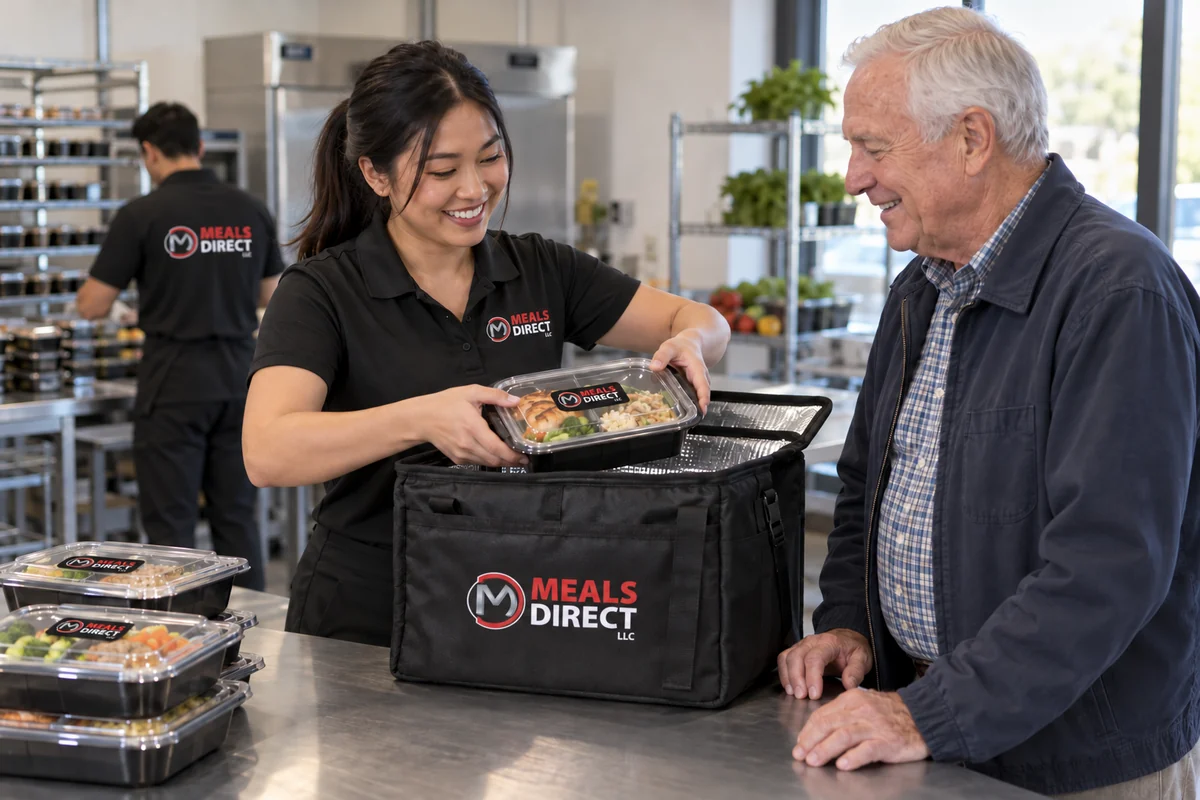
If you have ever wondered how home-delivered meals work, the short answer is that every meal passes through a chain of steps: planning, cooking, packing, routing and delivery. Different people handle each step, and the details vary by area and program. This post walks through that general journey so you know what happens before a meal reaches the door.
This guide describes common meal-service tasks in general terms. It is not a tour of a specific kitchen. Ask the team for your state which process applies to the meal format and route you are considering.
How home-delivered meals work, step by step
1. Planning
Planning comes first: deciding which menus and meals will be prepared. Our Meals page shows the Pennsylvania meal catalog. Menus include American, Spanish, Chinese, Vietnamese, Cambodian, Soul Food, Italian and Middle Eastern choices. Options vary by area and program, so ask what is currently offered where you live. For New Jersey or New York menus, ask the state team.
Planning also means knowing what each member has been authorized to receive and what they prefer. Food preferences and requirements, including likes, dislikes and allergies, are shared privately during intake, never in social media comments or messages. Some dietary accommodations may be available. Staff must review ingredients, and a photo or dish name never confirms allergy safety.
2. Cooking
Next, meals are cooked in a working kitchen. Cooks follow recipes and the menu plan for each cuisine.
Food safety matters at every stage. The U.S. Department of Agriculture explains that bacteria grow fastest between 40°F and 140°F, which it calls the Danger Zone. That is why any kitchen works to keep hot food hot and cold food cold.
3. Packing
Packing is the task of preparing a meal for transport. Useful questions include how the meal is identified, which container instructions apply, and who to ask if the packaging is damaged.
4. Routing
Routing means arranging the delivery stops. For your own service, ask how delivery arrangements are confirmed and how to report an address or availability change. Details vary by area and program.
5. Delivery
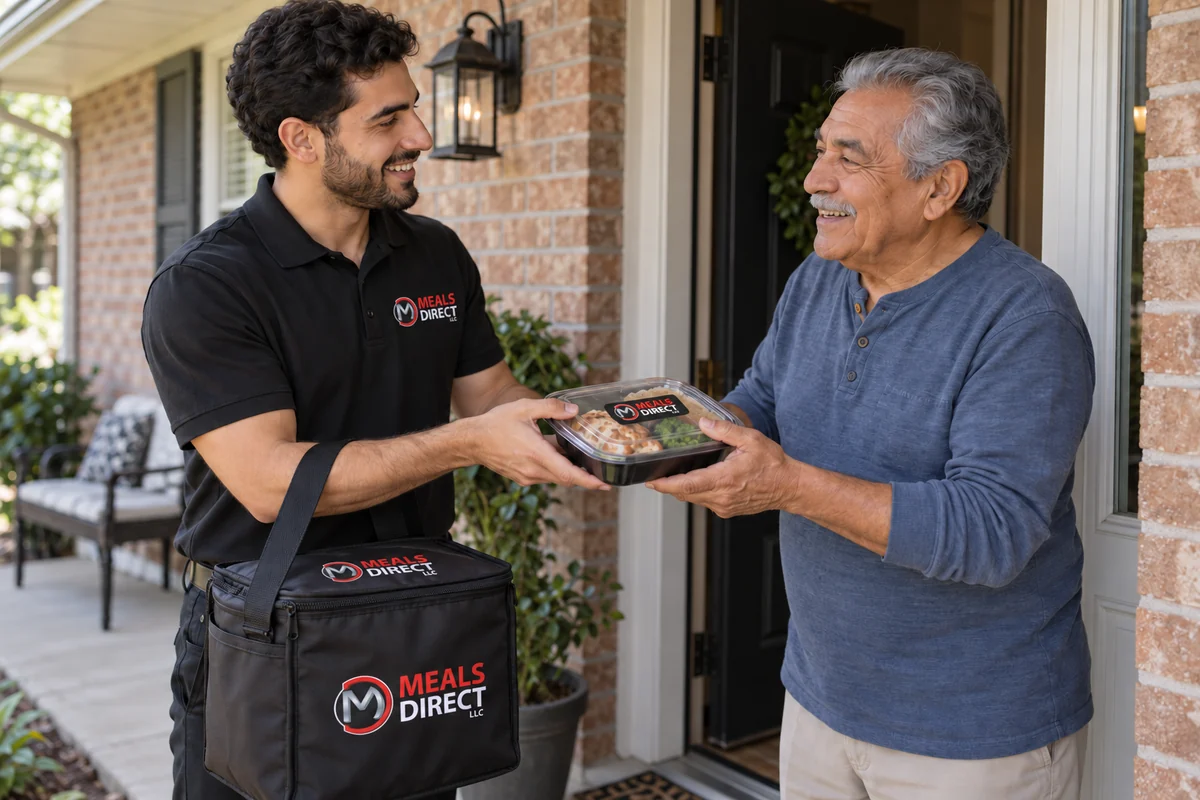
Delivery is the part a member sees at home. Ask where a meal can be handed over, whether someone must be present, and who to contact if it does not arrive as expected. Share entry details privately.
Who is involved at each step
Many hands touch a single meal. In general terms:
- Menu and kitchen teams plan and prepare the food.
- Packers portion and pack each meal.
- Drivers bring meals to the door.
- Intake and support staff answer questions and coordinate with members, caregivers and care teams.
Outside the kitchen, a member's service coordinator or case manager, and their program or health plan, also play a part. They help decide which services a person is authorized to receive.
What varies by area and program
Not every member gets the same thing in the same way. These details can differ:
- Which meal formats are offered (hot, frozen and specialty fresh options vary by area and program)
- Which menus are available in your area
- How deliveries are scheduled on your route
- Which steps your state's program requires before meals can start
The simplest way to learn what applies to you is to start with our locations page and ask.
Questions a kitchen photo cannot answer
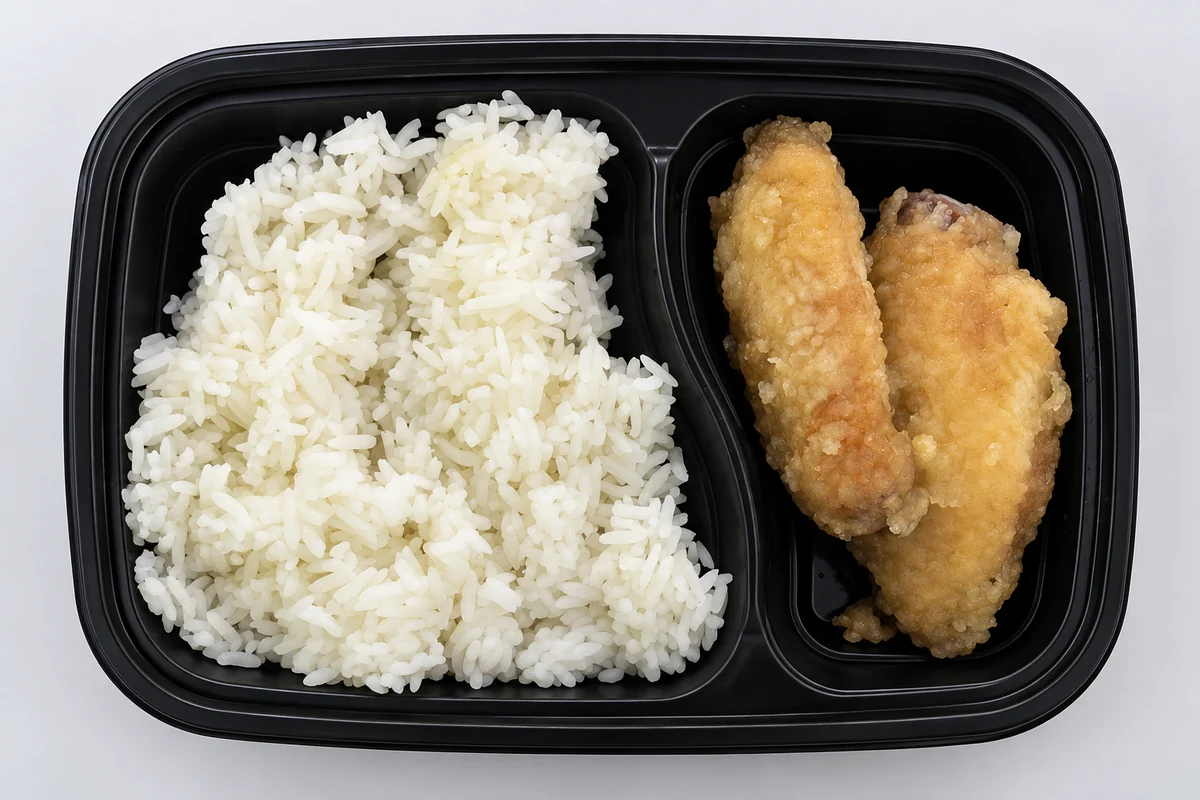
A photo can show food, containers or a work area. It cannot confirm a kitchen's current procedures, credentials or delivery timing. Those details need direct answers from the team responsible for the service.
If you want to understand the journey of a meal, choose one question from each step above. Ask what applies to the format offered where you live. A frozen meal and a hot meal may need different handling at home, so keep the instructions that arrive with the meal. If those instructions are missing or unclear, ask before heating or eating it.
