
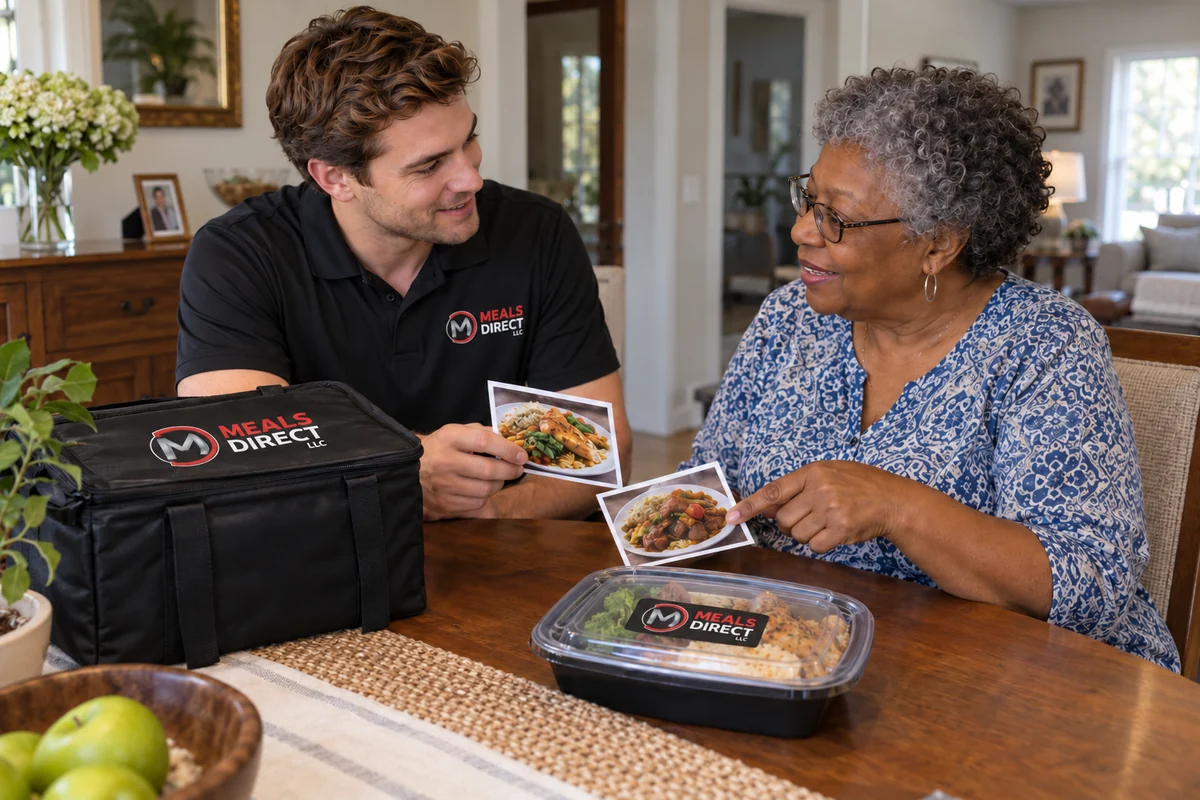
Culturally familiar meals for older adults are about more than taste. A dish from home can carry memories, holidays and a sense of who we are. For people who receive meals at home, being able to ask for food from their own culture can make mealtime something to look forward to. That is why Meals Direct offers a range of culturally familiar menus. Menus vary by area and program.
Food, identity and comfort
Food connects us to family and community. The way a grandmother seasoned rice, the soup served on a cold day or the dish made for a holiday: these are part of personal and family history. When someone eats a familiar meal, they are not only eating. They are remembering, celebrating or simply feeling at home.
Meals also bring people together, and food that feels familiar is part of that connection.
We keep this simple and honest: this is about comfort, culture and choice. It is not a health claim.
Culturally familiar meals for older adults on our menu
Our menus include American, Spanish, Chinese, Vietnamese, Cambodian, Soul Food, Italian and Middle Eastern choices. Ask which are available for your service. Our Meals page shows the Pennsylvania catalog with photos.
Meal formats include hot, frozen and specialty fresh meals.
Menus change, and not every menu is offered in every area. Options vary by area and program.
How to tell the team what you like to eat
Sharing food preferences is one of the most useful things you can do when meals are being arranged. Here is how to make it easy:
- Name the cuisine the member grew up with or enjoys most.
- List favorites and dislikes. For example, a dish they love, or an ingredient they never eat.
- Share allergies and diet needs clearly. These are requirements, not just preferences.
- Mention traditions that matter, such as foods the member does not eat for religious or cultural reasons.
- Ask what is offered now in the member's area.
Discuss food preferences with the team for your state by phone or on a call arranged through Request a call. Start with our locations page. Ask for the approved secure channel before sending health details, ID numbers or case information. Keep those details out of ordinary email, social media and the callback form.
When a favorite dish is not available
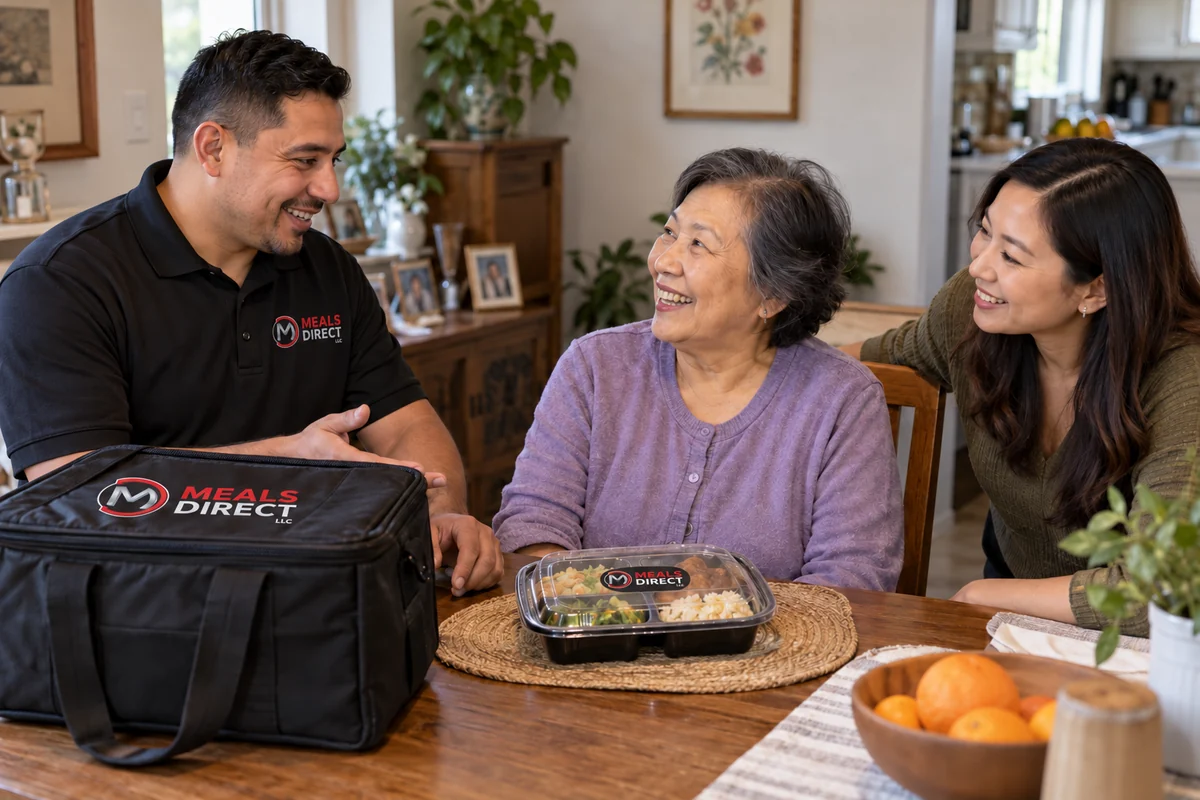
Sometimes a member's favorite dish or cuisine is not offered in their area. It is still worth mentioning. Knowing what a person enjoys helps the team understand their preferences and suggest the closest options that are available. Menus can also change over time, so ask again later.
Availability varies by area and program
Meals Direct serves eligible members in Pennsylvania, New Jersey and New York. Menus and formats differ between states, programs and routes. Menus in New Jersey and New York differ from Pennsylvania, so families there should ask the team for their state what is offered.
A note for Pennsylvania families
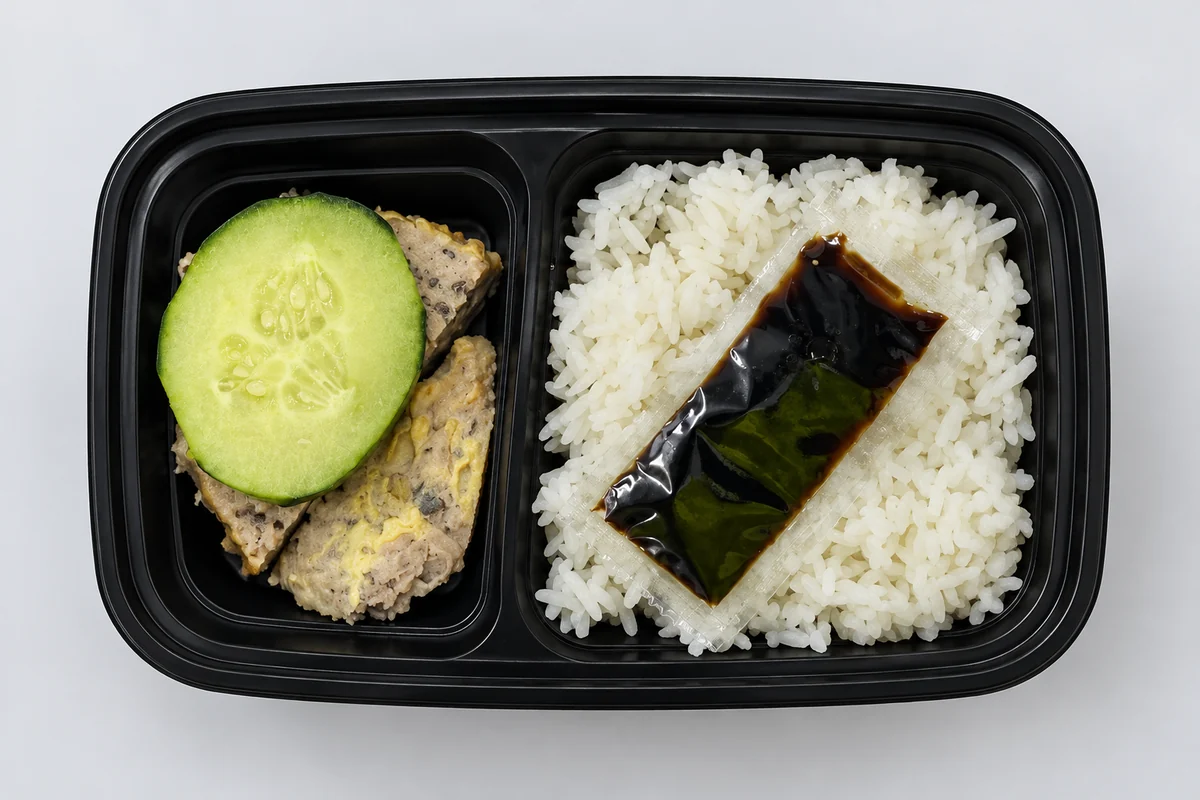
Our Meals page shows the Pennsylvania catalog with photos, but not every menu. Ask the Pennsylvania team what is currently available on your route.
Let the person describe familiar food
Ask open questions such as "Which meals do you look forward to?" and "What do you prefer to skip?" A person's answer may cross several menu categories, and two people from the same background may want very different foods.
If a relative helps with the conversation, leave room for the member's own answer. A short preference list can be more useful than choosing a cuisine label for them. Bring the list when you ask about the current local menu, and keep medical requirements separate so they receive the right attention.
