
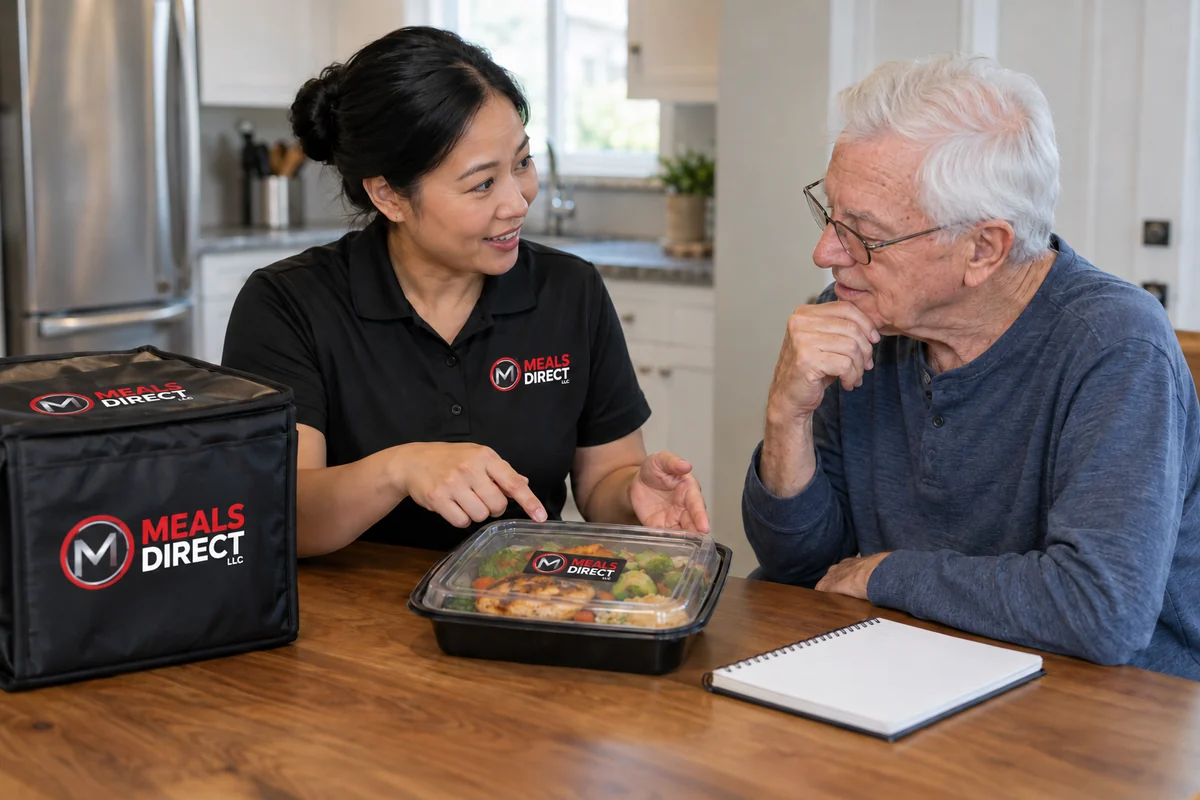
When discussing dietary needs for home-delivered meals, start with two groups: preferences and requirements. A preference is what a person enjoys or dislikes. A requirement is what they need, like an allergy, a texture need or a diet their doctor set. Share both with the intake team, privately and in plain words. Then ask what is available, because that must be confirmed.
This guide is for family caregivers and anyone helping a member at home.
Dietary needs for home-delivered meals: preference or requirement?
"I don't like fish" and "I can't eat fish" sound alike. They mean very different things. The first is a preference. The second may be a requirement. Saying which one you mean helps everyone understand the person's needs.
Preferences: what you enjoy
Preferences are the foods someone likes, dislikes or grew up eating. Maybe they love rice dishes, avoid spicy food or never eat liver. They still matter, so mention them. Just say clearly that they are likes and dislikes, not rules.
Requirements: what you need
Requirements are the things a person must have or must avoid. Common examples include:
- Allergies, such as to peanuts, eggs or shellfish
- Texture needs, such as food that must be soft or cut small
- Diets set by a doctor or care team
Allergies deserve special care. According to the USDA Food Safety and Inspection Service (FSIS), a food allergy can be a serious reaction, with symptoms that range from mild to life-threatening. FSIS lists nine leading causes of food allergies in the US: milk, eggs, fish, shellfish, tree nuts, peanuts, wheat, soybeans and sesame.
Some dietary accommodations may be available. Staff must review ingredients. A photo or dish name never confirms allergy safety.
When you are not sure
Sometimes it is hard to tell. A food someone avoids for faith or cultural reasons may be firm for them. If you are unsure, describe it plainly and say how firm it is. For health questions, ask the person's doctor or care team what they should eat.
Questions to ask about ingredients and options
You do not need to know how meals are made to ask good questions. Try these:
- Is ingredient information available for a dish, and how can I get it?
- Which meal formats and menus are offered in our area right now?
- What should we do if a meal arrives with something the person cannot eat?
- Who do we contact if the person's needs change later?
- Which language support is currently available?
Write down the answers and the date you asked.
Tips for describing a requirement clearly
- Name the exact food. "Nuts" is less clear than "peanuts" or "tree nuts," which FSIS lists separately.
- Say how strict it is. If you can, use the same words the doctor or care team used.
- Make a short list before you call. It is easy to forget something in the moment.
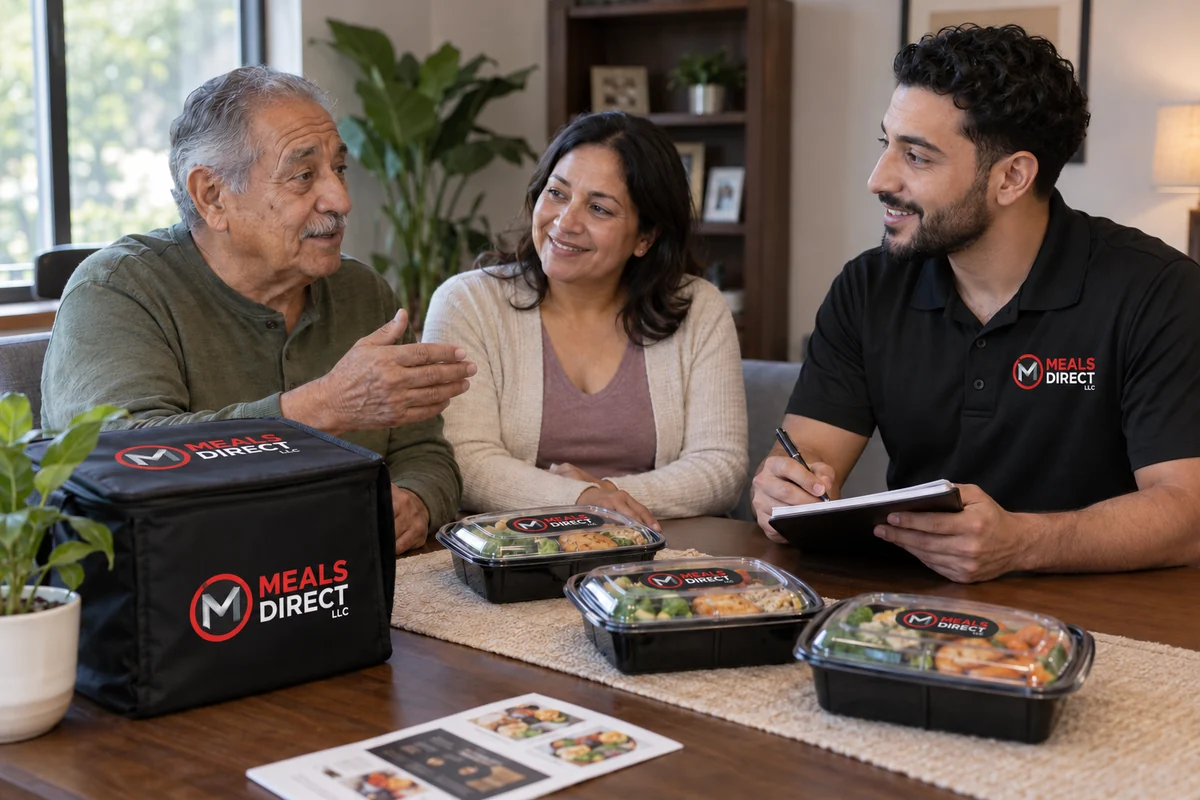
Share individual needs through a confirmed private channel
It can feel quick to ask in a social media comment or message, but please don't. Keep health, ID and case details out of social media comments and messages. Use the phone, Request a call or email instead.
Social media is not a secure channel for health information. A reply on social media also cannot confirm what is available for one specific person. That depends on the person's state, program and area.
The right place is the intake team for your state. Start at our locations page and choose the state where the person lives. Ask which private channel is intended for personal information, then share the details the team needs. Ask them to repeat back the requirement and explain whether it can be met before relying on any meal.
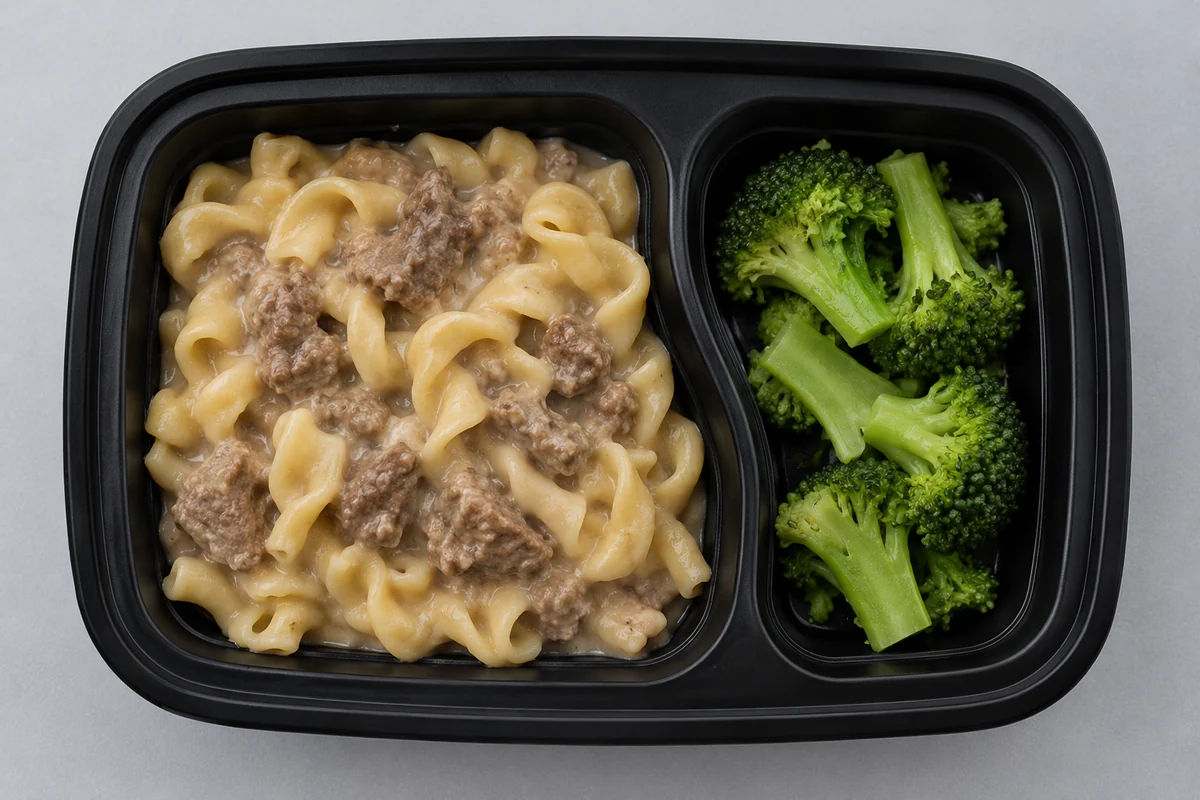
No promise of any specific accommodation
This guide does not promise that any specific request can be met. Menus and meal formats can differ by state. Options vary by area and program. Sharing a requirement does not mean a matching meal exists.
Sharing clearly and asking directly is how you find out what is and is not available. If a requirement cannot be met, it is better to know that early. Then you and the person's care team can plan what comes next.
